How faith and family traditions continue shaping modern funeral options

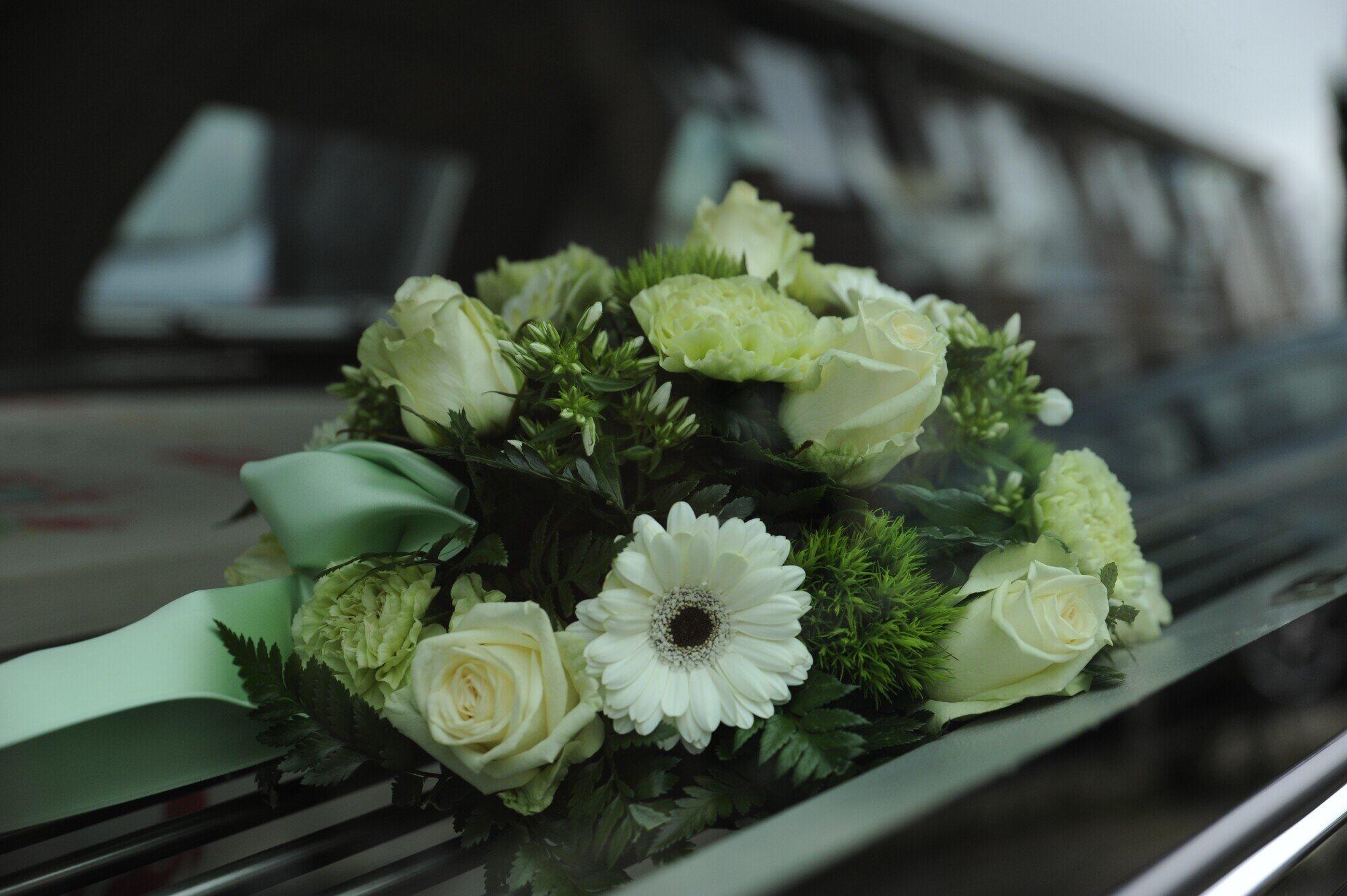
Modern funeral options reflect deeply held beliefs and family heritage. Even as cremation and livestreaming reshape modern funeral planning, religious customs and family traditions still guide most of the decisions families make during bereavement.
Funerals are a reflection of tradition, culture, and values.
Many traditional funerals have a process guided by religious practices, and faith and family traditions can shape their evolution. There are so many aspects to a traditional funeral that it’s not uncommon for mourners to hire a funeral consultant to guide them through the process.
Modern Funeral Options and Traditional Funeral Customs
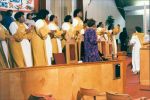
In the US, modern funeral options are usually less complicated, and they’re mostly guided by Christian practices. Today’s funeral landscape looks quite different than what it did a generation ago.
One of the main reasons for this is that cremation is now more common than burial across much of the US and in many parts of Europe. We’re also seeing an uptick in funerals being live-streamed on the internet, allowing distant relatives to follow the proceedings in real-time.
Traditional funeral customs vary widely by region and culture, but they share some common features. There tend to be viewing or wake periods allowing mourners to gather and say their final goodbyes to the deceased and offer condolences and comfort to the ones left behind.
There’s then a procession stage where the deceased is moved from home or church to the grave or cremation site, and then a mourning period follows, often lasting for days or weeks. During this time, family members may receive visitors and observe specific dress codes.
During such a stressful and disorienting time, funeral customs offer a clear framework, and that’s why many families who aren’t particularly religious turn to traditional religious customs during bereavement.
Typical Religious Funeral Services
Planning decisions tend to revolve around the religious background of the deceased. Let’s look at some of the biggest factors from the major religions driving planning decisions:
- Jewish funerals typically occur within 24 hours of death.
- Islamic funerals call for prompt burial facing Mecca.
- Catholic services follow an established funeral mass framework.
- Protestant services vary by denomination.
- Hindu and Buddhist traditions emphasize cremation alongside specific rites tied to the soul’s journey.
Family Funeral Traditions
Outside religious guidance, families often adopt more specific customs. For example, they might serve a certain recipe at the reception that everyone remembers from childhood, or they might bury all family members in a specific graveyard.
Personalized Options
According to Elaine Ramshaw, one of the unique features of contemporary funerals is how people incorporate personal touches, usually relating to something the deceased was passionate about in life. Here’s what’s possible without replacing traditional ceremony:
- Memorial videos let mourners see a life in motion.
- Custom elements reflect a hobby or passion.
- Themed receptions represent something the deceased loved.
- Purchasing a cremation urn online for use during the funeral ceremony and beyond.
Tradition Endures Through Change
According to Dr Matthew Thompson, faith and family traditions clearly guide modern funeral options and decisions during uncertain and upsetting times. Even as the times change and things like video streaming become possible, implementation is still guided by religious and family customs.
If you want to read more about similar topics, see our other blog posts.